What is Product Strategy? Definition, Benefits & Framework
Learn what product strategy is, why it's crucial for product success, and how to build an effective strategy with practical frameworks and examples.
What is Product Strategy?
Product strategy is a high-level plan that defines your product's unique value proposition, target audience, and how it will achieve key business goals throughout its lifecycle. According to ProductPlan, it should answer fundamental questions about who the product will serve, how it will benefit those users, and what the company aims to accomplish with the product.
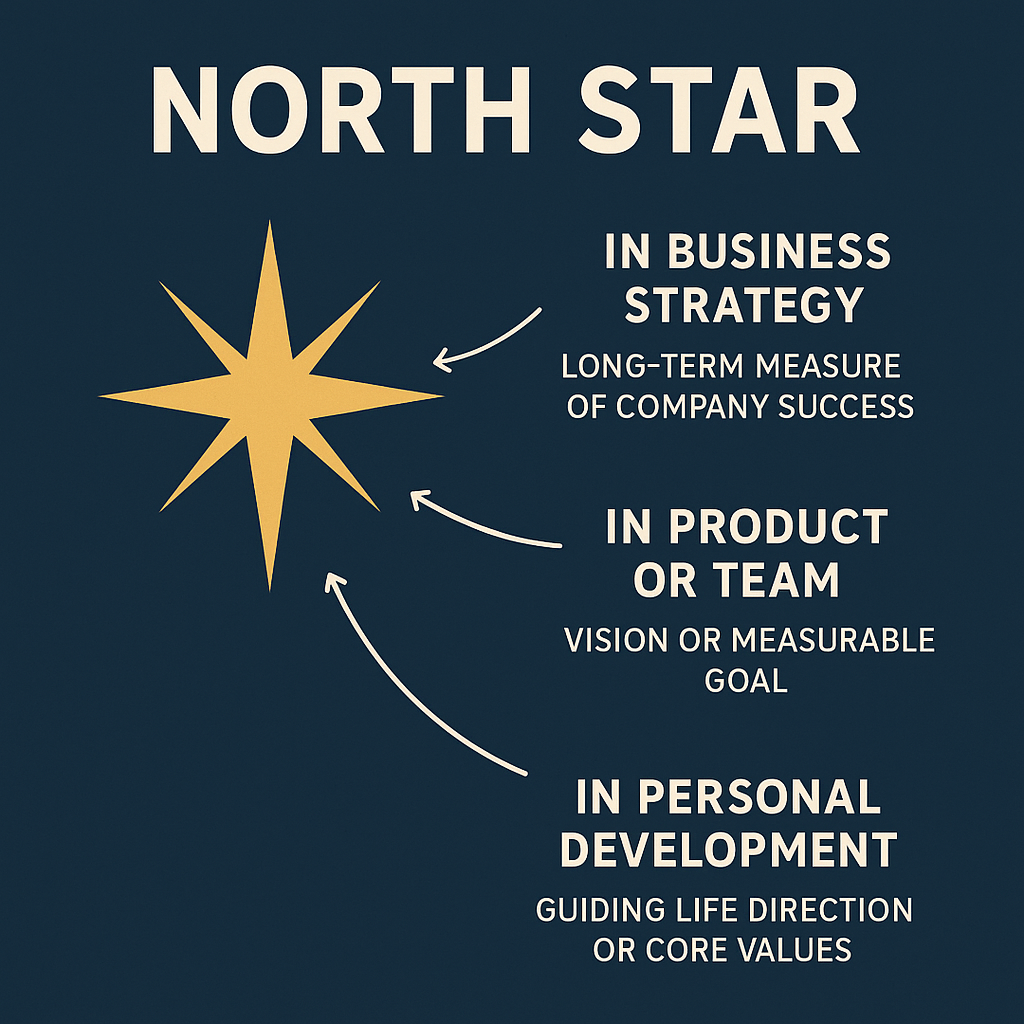
Think of product strategy as your product's north star - it provides direction and alignment for your entire team, ensuring everyone understands what you're building, why you're building it, and for whom.
Why Product Strategy Matters
A well-defined product strategy serves multiple critical functions in product development and business success. ContentSquare emphasizes that it defines a product's unique value proposition and target audience, creating clarity that drives better decision-making across your organization.
Key benefits include:
- Strategic alignment - Ensures everyone from engineering to marketing understands the product's purpose and direction
- Better prioritization - Helps teams focus on what truly matters rather than chasing every opportunity
- Resource optimization - Guides investment decisions and prevents wasted effort on low-impact features
- Competitive advantage - Positions your product effectively in the market by highlighting its unique value
Core Components of Product Strategy
Based on industry frameworks and expert insights, effective product strategies typically include these essential elements:
Vision and Goals
Your product vision describes the long-term impact you want to create, while goals define specific, measurable outcomes. These should align with broader business objectives and provide clear success metrics.
Target Market and User Personas
ProductPlan notes that strategy must clarify who the product will serve through detailed user personas. Understanding your target audience's needs, pain points, and behaviors is fundamental to creating value.
Value Proposition
This defines what makes your product unique and valuable to customers. It explains why someone would choose your solution over alternatives and how it solves their specific problems better than existing options.
Business Objectives
Your strategy should outline how the product will contribute to company goals, whether through revenue growth, market share, customer retention, or other key metrics.
Building Your Product Strategy Framework
The Silicon Valley Product Group emphasizes that product strategy starts with focus and insights. Here's a practical approach to developing your strategy:
Start with Market and User Research
Gather deep insights about your target market, competitive landscape, and user needs. This research forms the foundation for strategic decisions and helps identify unmet needs or underserved segments.
Define Your Strategic Focus
Choose where to compete and where not to compete. As SVPG notes, strategy requires choice, thinking and effort - you can't be everything to everyone. Focus on areas where you can deliver exceptional value.
Translate Strategy into Action
Once you have your strategic direction, create an actionable plan. ProductPlan suggests translating strategy into action plans through product roadmaps that prioritize major themes and initiatives.
Continuously Validate and Adapt
Product strategy isn't static. Regularly test your assumptions, gather feedback, and adjust your approach based on market changes and learning.
Common Product Strategy Models
Different business contexts call for different strategic approaches. ProductPlan highlights several effective business models for product strategies, including:
- Platform strategy - Building ecosystems that connect multiple user groups
- Freemium model - Offering basic features free while charging for premium capabilities
- Subscription-based approach - Creating recurring revenue through ongoing value delivery
- Market penetration - Focusing on gaining share in existing markets
- Product differentiation - Creating unique features or experiences that stand out
Visualizing Your Product Strategy
Creating a clear visual representation of your product strategy helps communicate it effectively across your organization. At ClipMind, we've found that mind mapping is particularly effective for strategic planning because it shows relationships between different elements and helps teams understand how everything connects.
Our AI SWOT Analyzer and Porter's Five Forces Analyzer can help you analyze your competitive landscape and identify strategic opportunities.
Putting It All Together
Product strategy is fundamentally about making conscious choices about where to focus your efforts and how to create sustainable competitive advantage. It's not just a document - it's a living framework that guides daily decisions and long-term direction.
Remember that the best product strategies balance ambition with practicality, combining a compelling vision with executable steps that deliver measurable value to both customers and your business.