What is an Omni-Channel Strategy? A Guide for Modern Marketers
Learn what an omni-channel strategy is, its core principles, and how to build a seamless, customer-centric experience across all marketing channels.
What is an Omni-Channel Strategy?
An omni-channel strategy is a customer-centric business approach that integrates all available channels to deliver a unified and consistent brand experience. Whether a customer interacts with your brand on a website, in a mobile app, through social media, or in a physical store, the experience feels seamless and connected. The goal is to make the buying journey smooth by ensuring audiences have the same high-quality experience with your brand, no matter where they encounter it What is Omnichannel Marketing? Definition & Strategy.
This is more than just being present on multiple platforms. It is about those platforms working together intelligently. For example, an effective strategy might involve sending an email reminder for items a customer browsed on your website, creating a useful and relevant connection between channels What is Omnichannel Marketing? Definition & Strategy. As Oracle defines it, omnichannel is a strategy aimed at providing a seamless shopping experience across all channels.
Core Principles of Omni-Channel Marketing
Understanding the foundational principles is key to moving from a multi-channel presence to a true omni-channel approach.
- Customer-Centricity: The strategy is designed around the customer's journey, not the company's internal structure. It takes into account that a customer's path to purchase may span multiple channels and seeks to create the best experience as they move between them What is Omnichannel Marketing? Definition, Tips, and ....
- Seamless Integration: Omnichannel marketing is the integration and cooperation of various channels used to interact with consumers. This includes the seamless blending of branding, messaging, and both online and offline touchpoints What is Omnichannel Marketing? Definition, Tips, and ....
- Consistent Messaging: A core function of the strategy is to ensure your brand presence and core messaging is consistent everywhere, from digital ads to in-store displays and customer service interactions What is Omnichannel Marketing? Definition & Strategy.
- Data-Driven Personalization: The strategy gets smarter as customers engage across different channels. By tracking these engagements, brands gain a better understanding of the customer journey, preferences, and which campaigns drive the most value What is Omnichannel Marketing? Definition, Tips, and ....
Benefits of Implementing an Omni-Channel Strategy
Adopting this approach offers significant competitive advantages.
- Enhanced Customer Experience: By removing friction between channels, you create a more intuitive and satisfying journey, which builds brand loyalty.
- Increased Revenue: An omni-channel approach encourages customers to engage with a brand across multiple touchpoints. This increased engagement often translates to higher sales and customer lifetime value What is Omnichannel Marketing? Definition, Tips, and ....
- Deeper Customer Insights: You gain a unified view of the customer. Tracking behavior across channels provides a holistic understanding of preferences and pain points, informing better marketing and product decisions.
- Stronger Brand Consistency: Customers receive a coherent message, which builds trust and reinforces brand identity at every interaction point.
How to Build Your Omni-Channel Strategy
Building an effective strategy requires careful planning and the right tools. As noted by Forbes Business Council, it's about using multiple channels to create a seamless, personalized experience.
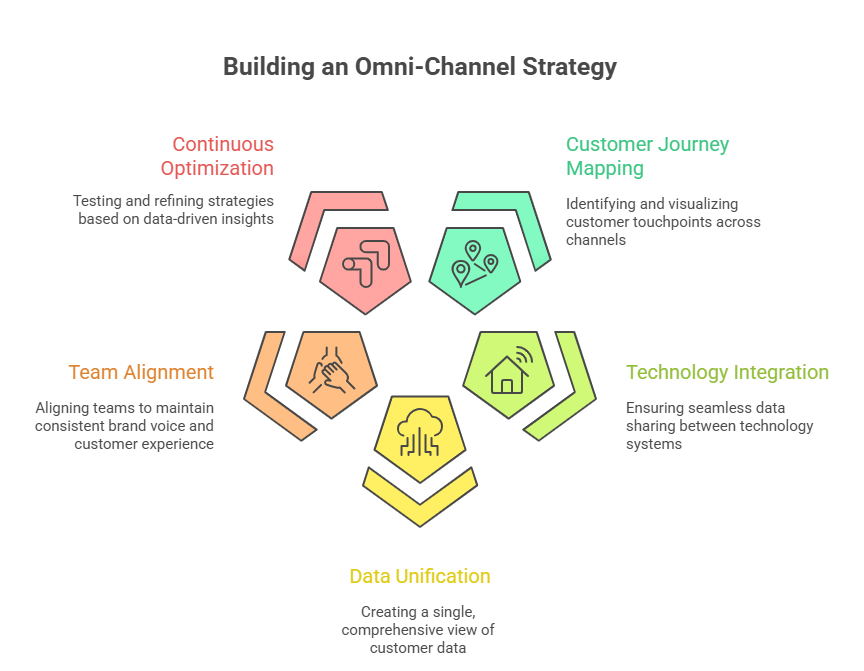
- Map the Customer Journey: Identify every potential touchpoint—social media, email, website, physical store, customer service. Visualize how a customer might move between them.
- Integrate Your Technology Stack: Ensure your CRM, e-commerce platform, email marketing software, and point-of-sale systems can share data. Today, advanced platforms offer reliable, person-level insights to identify the optimal media mix and targeting What is Omnichannel Marketing? Definition, Tips, and ....
- Unify Your Data: Create a single customer view by consolidating data from all channels. This is the foundation for personalization.
- Align Teams and Messaging: Break down silos between marketing, sales, and customer service. Everyone must be aligned on the brand voice and customer experience goals.
- Test, Learn, and Optimize: Start with key journey pain points, implement solutions, and use your integrated data to measure impact and refine your approach.
Planning a complex, cross-channel initiative can be challenging. Visual tools like mind maps are excellent for brainstorming touchpoints and orchestrating the moving parts of your strategy.
Omni-Channel vs. Multi-Channel: Understanding the Difference
It's crucial to distinguish between multi-channel and omni-channel, as they represent different levels of maturity.
- Multi-Channel: Your brand is present on multiple, often disconnected, channels (e.g., a website, an Instagram account, a physical store). The channels operate in silos, with little to no integration. The customer experience can feel disjointed if they switch from one to another.
- Omni-Channel: This is the integrated evolution of multi-channel. All channels are connected and share data. The experience is unified, so a customer can start a task on one channel and complete it on another without any friction. The focus shifts from channel-specific goals to a holistic customer journey goal.
As Wharton Executive Education states, omnichannel marketing is a strategy that takes all marketing channels into consideration to create the best customer experience.
Tools and Frameworks to Get Started
Developing your strategy is a complex project. Leverage strategic frameworks to structure your thinking. For instance, you could use a SWOT analysis to evaluate your current channel capabilities or an STP analysis to define which customer segments you are tailoring the omni-channel experience for.
The key to a successful omni-channel strategy is a relentless focus on the customer's seamless experience. By integrating your channels, unifying your data, and aligning your teams, you transform how your brand connects with its audience, driving both satisfaction and growth.