How to Improve Customer Retention: Strategies and Metrics
Learn proven customer retention strategies, key metrics to track, and how to build loyalty to reduce churn and increase lifetime value.
Why Customer Retention Matters
Customer retention is the practice of keeping existing customers engaged and making repeat purchases. It is a critical business strategy because it is often more cost-effective to retain a customer than to acquire a new one. As noted by Zendesk, customer retention is important for businesses because it’s easier to keep profits high when you turn customers into repeat buyers. A strong retention strategy directly impacts your bottom line by increasing customer lifetime value and creating a stable revenue base.
Key Metrics to Measure Retention
You cannot improve what you do not measure. Tracking the right metrics provides a clear picture of your retention health and highlights areas for intervention.
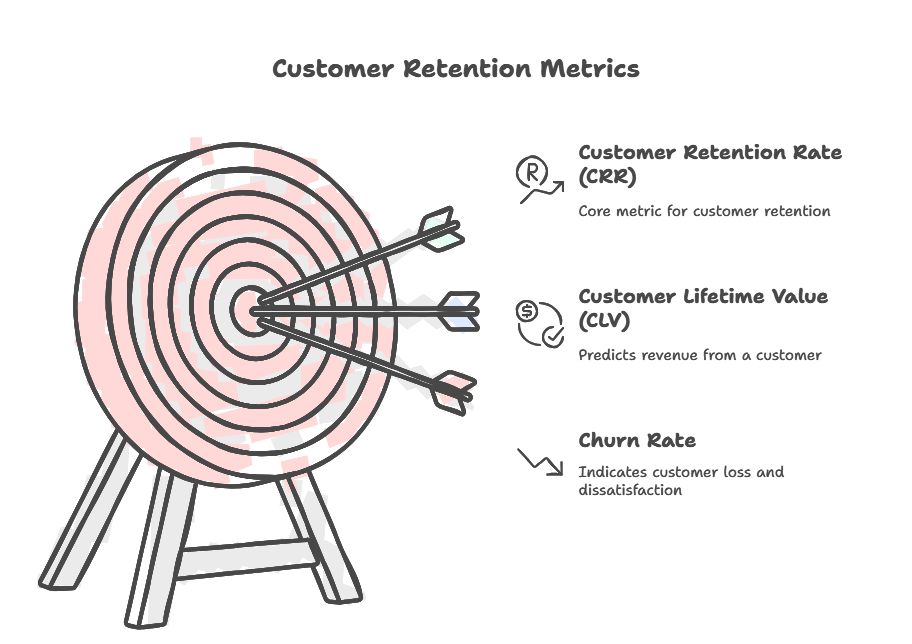
- Customer Retention Rate (CRR): This is the fundamental metric. It calculates the percentage of customers you retain over a specific period. For example, if you start with 130 customers, lose 50, and end with 80, your retention rate is 80%. A low rate signals issues with the customer experience.
- Customer Lifetime Value (CLV): This predicts the total revenue a business can expect from a single customer. A common formula is: CLV = Average Order Value × Purchase Frequency × Customer Lifespan. Improving retention directly increases CLV.
- Churn Rate: The flip side of retention. A high churn rate indicates customers are leaving, which can be a warning sign that your product or service is not meeting expectations.
Proven Strategies to Boost Retention
Improving retention is about systematically enhancing the customer experience at every touchpoint. Here are actionable strategies backed by industry experts.
Listen and Act on Feedback
Proactive communication is foundational. Listening to your customers and proactively addressing their concerns can significantly boost conversion rates, increase retention, and improve overall satisfaction. Implement regular surveys, monitor social media mentions, and create direct channels for feedback. The key is not just to collect insights but to act on them, showing customers their voice shapes your product.
Deliver Exceptional, Personalized Support
Customer service is a primary retention lever. Strategies include offering omnichannel support (being available on the platforms your customers use), responding to support queries quickly, and personalizing customer service interactions. Personalization can be as simple as using a customer's name and purchase history to provide relevant, efficient help.
Build a Loyalty Program
Rewarding repeat business fosters a sense of value and community. A well-designed loyalty program incentivizes continued purchases and can turn customers into brand advocates. As ReferralCandy suggests, a loyalty program increases customer satisfaction and can improve customer retention. Consider points systems, exclusive member perks, or early access to new products.
Foster a Sense of Community
Creating a space where customers can connect with each other and your brand builds powerful emotional loyalty. You can invite customers to join the community with every purchase, and share their passion with other like-minded enthusiasts. This could be a branded online forum, a social media group, or user-generated content campaigns. A strong community makes customers feel like they belong, not just that they bought something.
Implementing Your Retention Strategy
A successful strategy requires a clear plan. Start by auditing your current customer journey to identify friction points or "leakage" where customers disengage. Prioritize initiatives based on potential impact and resource requirements. Crucially, assign clear ownership and use the metrics discussed earlier to track progress. Remember, retention is not a one-time campaign but an ongoing commitment to customer success.
Continuously test and refine your approaches. What works for one segment of your audience may not work for another. Use A/B testing for communication, offers, and onboarding flows. The goal is to build a systematic, data-informed process that makes customers want to stay.